Serious Crash Shuts B14 Nufringen for Two Hours; Child Airlifted to Hospital
A harrowing incident near Nufringen, Böblingen district, has once again brought the critical issue of road safety to the forefront. On a recent Wednesday afternoon, a severe two-vehicle collision on the B14 federal highway led to significant injuries, including a child being airlifted to a specialist hospital. The immediate aftermath saw the B14 completely closed in both directions for approximately two hours, causing considerable disruption for commuters and highlighting the ongoing concerns surrounding the notorious Pfiffka-Kreuzung intersection. This Nufringen B14 Crash: Child Severely Injured at Pfiffka-Kreuzung is a stark reminder of the unpredictable dangers on our roads, prompting urgent discussions about preventative measures.
Details of the Alarming Collision: What Happened on the B14
The accident, reported by police around 5 PM, involved a chain of events that unfolded rapidly. According to official reports, a 60-year-old Mercedes driver was traveling on the B14 in the direction of Herrenberg when, for reasons yet to be fully determined, their vehicle veered into the oncoming lane. This sudden and dangerous maneuver forced a 45-year-old Seat driver, approaching from the opposite direction, to take immediate evasive action. To avoid a direct head-on collision with the Mercedes, the Seat swerved onto the right-hand verge, unfortunately colliding with a traffic guide post.
Tragically, the situation escalated further. Behind the Seat was a 43-year-old woman driving a Hyundai. Unable to avoid the encroaching Mercedes, her vehicle collided head-on with it. The force of this impact was so severe that the Hyundai subsequently overturned, coming to rest on its driver's side on the right-hand verge. Bystanders, acting quickly and courageously, rushed to the scene to help right the overturned vehicle, demonstrating incredible community spirit in a moment of crisis.
The consequences for those involved were immediate and severe. While the Mercedes driver and the 43-year-old Hyundai driver sustained only minor injuries, a seven-year-old girl who was a passenger in the Hyundai was severely injured. Her condition necessitated immediate and specialized medical attention, leading to her being transported by rescue helicopter to a hospital. The sight of the air ambulance landing and taking off underscored the gravity of the Pfiffka-Kreuzung Nufringen: Child Critically Hurt in Latest Accident.
The collision resulted in an estimated property damage of approximately 30,000 Euros. Both the Mercedes and the Hyundai were rendered inoperable and had to be towed from the scene, further illustrating the destructive power of such high-impact incidents.
Pfiffka-Kreuzung: A Persistent Accident Blackspot Near Nufringen
This latest incident tragically reinforces the reputation of the Pfiffka-Kreuzung (Pfiffka intersection) as a known accident blackspot. Local residents and authorities alike have long recognized the challenges presented by this particular stretch of the B14. The term "Unfallschwerpunkt," or accident blackspot, is not applied lightly; it signifies an area where the frequency and severity of traffic accidents are disproportionately high, often pointing to underlying issues with road design, traffic flow, or driver behavior patterns.
Why the Pfiffka-Kreuzung Poses a High Risk
- Complex Traffic Dynamics: Intersections, especially those on federal highways like the B14, often present complex scenarios with multiple turning movements, varying speeds, and significant traffic volumes. The Pfiffka-Kreuzung, with its connections to Rohrau, likely experiences a blend of local and through traffic, increasing interaction points and potential for misjudgment.
- Visibility Issues: While not explicitly stated in this report, many accident blackspots suffer from inadequate sightlines for drivers, particularly when approaching at speed or attempting turns. This can be exacerbated by vegetation or building placement.
- Driver Error: Even with well-designed roads, human error remains a primary factor in accidents. Speeding, distraction (e.g., mobile phone use), fatigue, impaired driving, and a failure to anticipate other drivers' actions are common contributors. In this case, the Mercedes driver veering into oncoming traffic "for reasons yet to be determined" points to a potential lapse in attention or judgment.
- High Speed Limits: Federal highways typically have higher speed limits, meaning that when accidents do occur, the forces involved are greater, leading to more severe injuries and damage. The combination of high speeds and complex intersection dynamics can be particularly dangerous.
The fact that this incident involved a vehicle crossing into the oncoming lane suggests a need for a thorough investigation not just into the individual driver's actions, but also into whether any road features contribute to such occurrences. Could better lane separation, improved signage, or even a review of speed limits be warranted at this notorious junction? For locals, the concern surrounding an Unfall Nufringen Heute is sadly a recurring nightmare, amplifying calls for tangible safety enhancements.
The Critical Role of Emergency Services and Road Closures
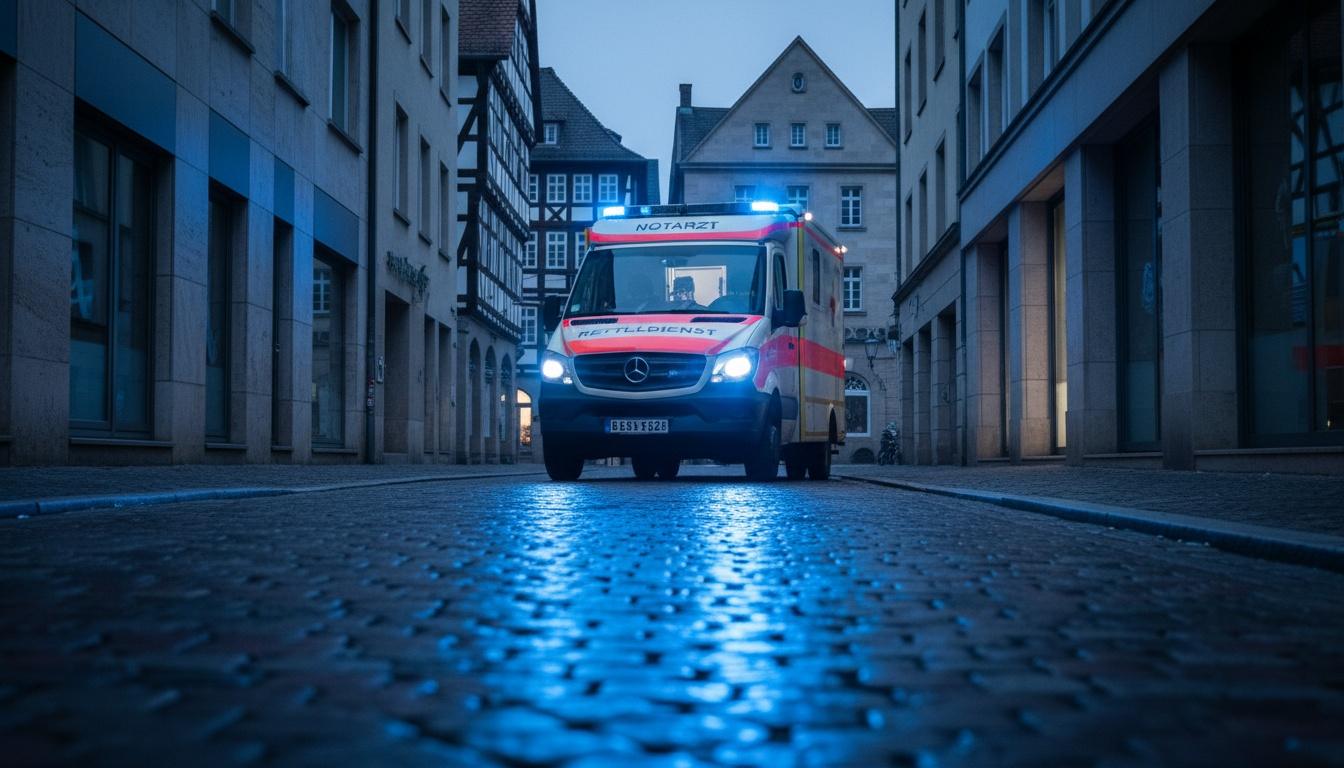
The immediate response to such a severe incident is paramount. On Wednesday, the Feuerwehr (fire brigade), Rettungsdienst (ambulance service), and Polizei (police) were on site with significant forces. The presence of the rescue helicopter, as mentioned, signifies the critical nature of the child's injuries, allowing for rapid transport to advanced medical facilities where specialized care can be provided. This rapid deployment of resources is crucial in minimizing severe outcomes.
The decision to close the B14 in both directions for approximately two hours was a necessary measure for several reasons:
- Safety of Emergency Personnel: It provides a secure environment for paramedics, firefighters, and police officers to work without the added danger of passing traffic. This ensures responders can focus entirely on the victims and the scene.
- Accident Scene Investigation: It allows police to meticulously document the scene, collect evidence, and reconstruct the events leading up to the collision. This is crucial for determining fault, understanding the causes, and potentially informing future road safety improvements.
- Clearing Debris and Vehicles: With two severely damaged vehicles and potential debris spread across the road, a full closure enables efficient and safe clean-up operations, preparing the road for reopening. This prevents secondary accidents.
- Traffic Management: While inconvenient, a planned closure allows for diversion routes to be established and communicated, managing the flow of traffic around the incident site and preventing further congestion at the scene.
Such closures, especially on major arteries like the B14, inevitably lead to significant traffic delays and frustration for drivers. However, they are a vital component of managing serious incidents and ensuring the safety and swift treatment of those affected. For anyone seeking information on an Unfall Nufringen heute traffic, these closures are often the primary concern, and up-to-date traffic information systems play a key role in informing commuters.
Prioritizing Road Safety: Tips for Drivers and Community Action
This incident serves as a sobering reminder of the importance of vigilance and responsible driving. While specific causes are still under investigation, several general principles can help mitigate risks, especially in areas known for accidents:
Practical Tips for Safer Driving
- Maintain Focus: Distracted driving is a major contributor to accidents. Put away your phone, avoid eating or complex navigation adjustments, and keep your attention solely on the road. Even a momentary lapse can have catastrophic consequences.
- Adhere to Speed Limits: Speed limits are set for a reason, reflecting the road's design and typical conditions. Adjust your speed to actual road conditions, weather, and traffic density, particularly when approaching intersections or known hazard zones. Excessive speed reduces reaction time and increases collision severity.
- Practice Defensive Driving: Always anticipate the actions of other drivers. Be prepared for unexpected maneuvers, maintain a safe following distance, and scan far ahead to spot potential hazards. Assume other drivers might make mistakes.
- Regular Vehicle Maintenance: Ensure your vehicle is in good working order, especially brakes, tires, and lights. A well-maintained car is a safer car. Faulty equipment can turn a minor issue into a major accident.
- Child Safety is Paramount: Always use appropriate child seats or boosters correctly installed and suited for the child's age, height, and weight. Ensure harnesses are snug and secure. This is non-negotiable for protecting our youngest passengers and dramatically reduces injury risk.
- Report Dangerous Conditions: If you observe a road feature that seems inherently dangerous or frequently leads to near-misses, report it to local authorities or traffic departments. Your input can contribute to proactive safety measures and save lives.
Beyond individual actions, community involvement and advocacy play a crucial role. When an area like the Pfiffka-Kreuzung consistently sees serious accidents, it's incumbent upon local authorities, traffic planners, and the community to collaborate. This might involve:
- Traffic Studies: Conducting in-depth analyses of traffic flow, accident patterns, and road design at the intersection. These studies can identify specific vulnerabilities and areas for improvement.
- Infrastructure Improvements: Implementing changes like improved signage, better road markings, dedicated turning lanes, speed cameras, or even traffic light installations if warranted. Engineering solutions often provide the most sustainable long-term safety benefits.
- Public Awareness Campaigns: Educating drivers about specific hazards of the area and promoting safer driving habits. Targeted campaigns can change driver behavior over time.
Conclusion: A Call for Heightened Awareness and Action
The severe accident on the B14 near Nufringen, resulting in a child being airlifted and the road closure for two hours, is a tragic event that deeply impacts the community. While investigations continue to shed light on the exact cause, it serves as a stark reminder of the inherent risks on our roads, particularly at known accident hotspots like the Pfiffka-Kreuzung. Our thoughts are with the injured child and their family for a swift recovery. This incident underscores the urgent need for both individual drivers to exercise utmost caution and for authorities to continually review and enhance road safety measures. By working together, we can strive to prevent future tragedies and make our roads safer for everyone, especially our most vulnerable passengers. The ongoing conversation about Unfall Nufringen Heute must translate into concrete action.